Cold desert, Himachal
Spiti Valley
Spiti is a high cold desert between 3,000 and 4,500 metres, reached either from Shimla through Kinnaur or from Manali over Kunzum La. The Manali road is open roughly June to October; the Kinnaur road stays open most of the year. Eight to ten days does the full circuit properly.
- Altitude range
- About 3,000 m to 4,500 m
- Best time
- May to October for the full circuit
- Days needed
- 8 to 10 for the loop
- Two approaches
- Shimla–Kinnaur, or Manali over Kunzum La
- Key stops
- Kaza, Key monastery, Chandratal, Tabo, Dhankar
The two roads in, and why the direction matters
Entering from Shimla through Kinnaur gains altitude gradually over several days, which is the difference between acclimatising and getting a headache at 4,000 m. Entering from Manali crosses Kunzum La and puts you high on day one. If there is any doubt about altitude, go in through Kinnaur and out over Kunzum.
Kaza and the monasteries
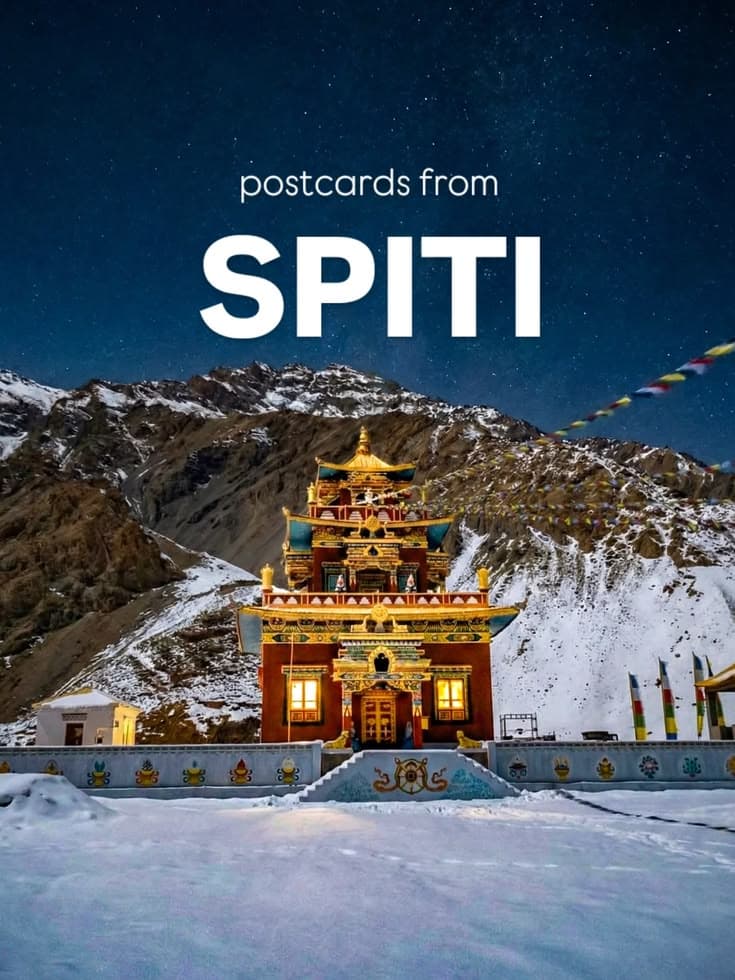
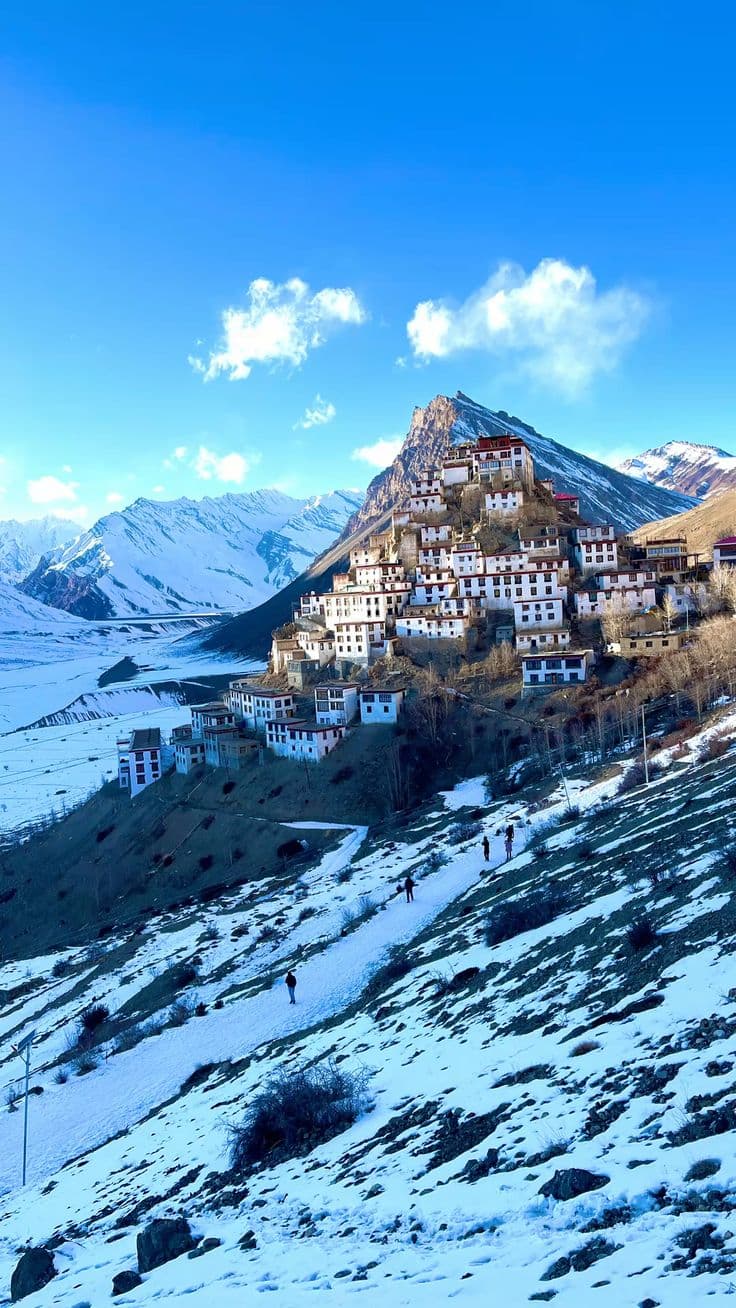
Kaza is the main town and the base for Key, Kibber, Langza, Hikkim and Komic. Tabo, further down valley, holds the thousand-year-old monastery complex and is the one to see if you only see one. Dhankar sits on a spur above the confluence and is visibly eroding, which is part of why it is worth going now.
Chandratal
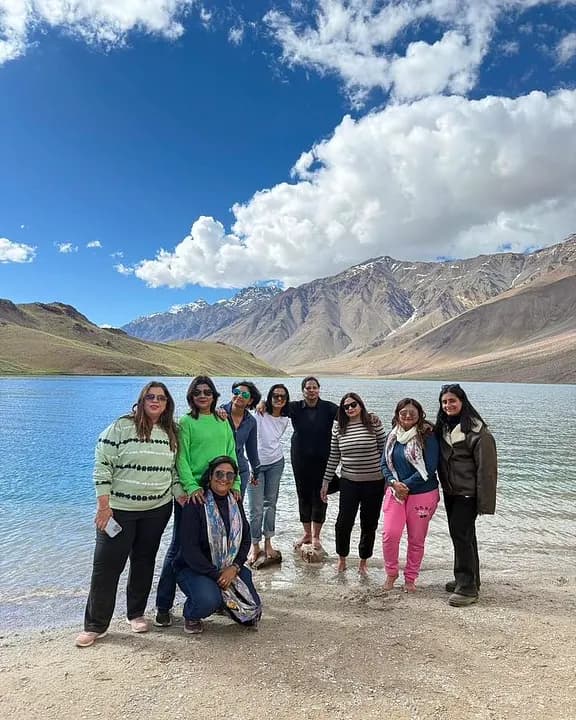
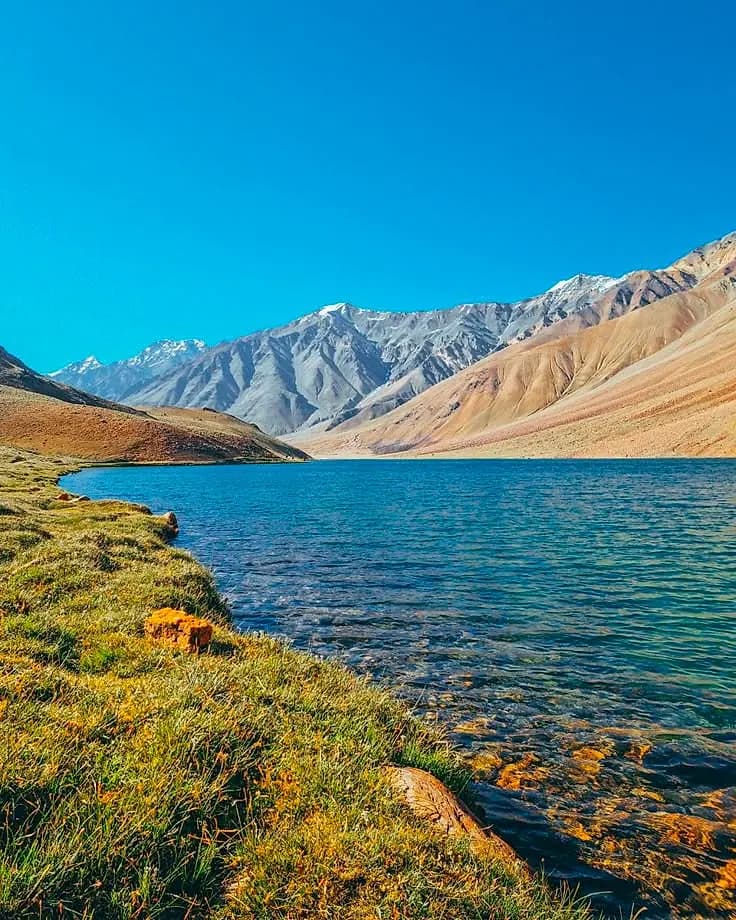
A high lake near Kunzum La, accessible only in the summer months, with camps a short walk from the water. Nights are genuinely cold even in July. It is usually the last stop before dropping to Manali.
Questions people ask
When is Spiti Valley open?
The Kinnaur approach from Shimla is open through most of the year. The Manali approach over Kunzum La is generally open from around June to October. The full circuit needs both roads, so it is a summer trip.
Do I need a permit for Spiti?
Indian nationals do not need an inner line permit for the main Spiti circuit. Foreign nationals need one for the stretch between Rekong Peo and Sumdo. Requirements change, so confirm before travelling.
Is Spiti safe at altitude?
It is if you ascend gradually. The Kinnaur route builds height over several days and is far kinder than crossing Kunzum on day one. Carry water, avoid alcohol on the first nights, and tell your driver early if you feel unwell.
Bookable now
Tours that go there
Every one of these is run by our own team, with the drivers and the permits arranged.

Read next
- Kinnaur travel guideKinnaur follows the Sutlej gorge east of Shimla, climbing from apple country at Sarahan to the high villages of Kalpa and Chitkul near the Tibetan border. It is usually travelled as the approach to Spiti and takes three to four days on its own.
- Best time to visit Spiti ValleyMay to October is the season for the full Spiti circuit, because the Kunzum La road from Manali is only open in those months. The Kinnaur approach from Shimla stays open most of the year, so winter Spiti is possible as an in-and-out trip but not as a loop.
- How to reach Spiti ValleySpiti has two road approaches: from Shimla through Kinnaur, about 420 km and open most of the year, or from Manali over Kunzum La, about 200 km and open roughly June to October. The Shimla route gains altitude gradually and is the safer choice for a first visit.
- Altitude sickness in Ladakh and SpitiAltitude sickness typically begins above 2,500 metres and is common in Leh at 3,500 metres, particularly for travellers who fly in. Headache, nausea and breathlessness at rest are the warning signs. The only reliable treatment is descent, which is why itineraries are built to ascend gradually.
Plan your trip
Tell us where you want to go
Leave your name, number and email. One of our travel experts calls you back with a written itinerary and a real price, usually the same day.
- 1Choose your destinationPick a route that matches how long you have and what you want out of it.
- 2Book and pay securelyConfirm the itinerary and pay online through a secure gateway.
- 3Pack and start exploringYour transfers, stays and sightseeing are arranged before you land.
Get a free quote
Three details, nothing more.
Do not take our word for it
Reviews from our travellers
Filmed on their trips, by the families who took them. Nothing here is scripted.
On the road with us
Happy customers
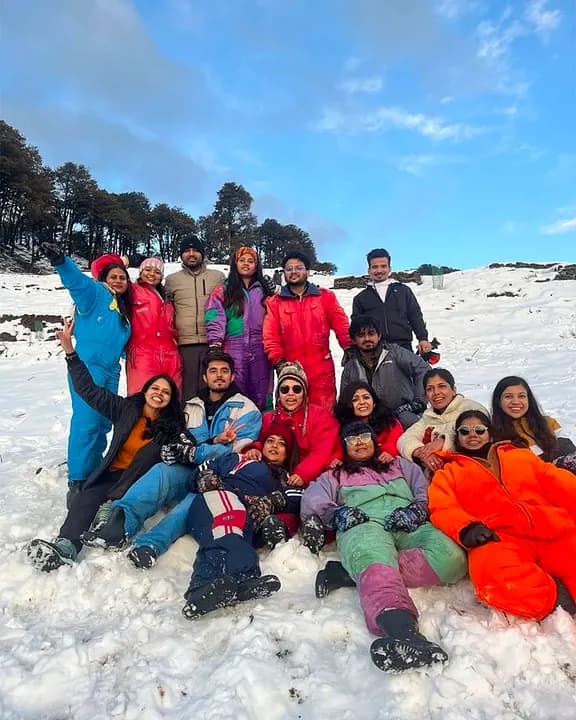
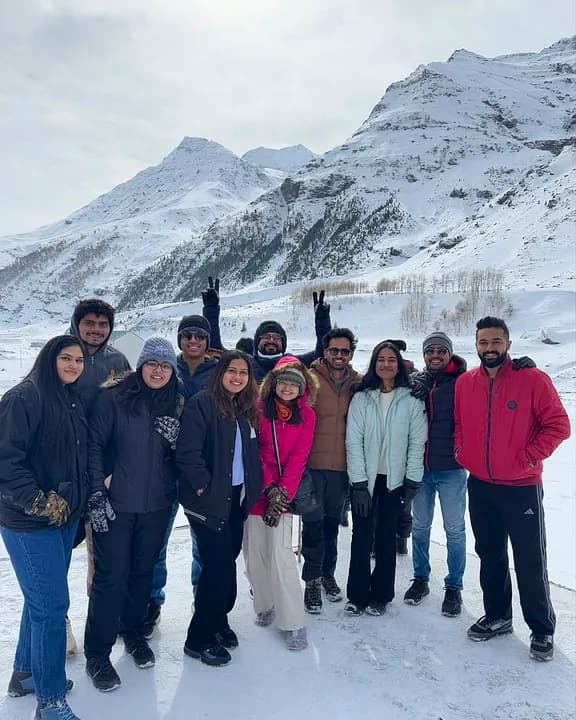
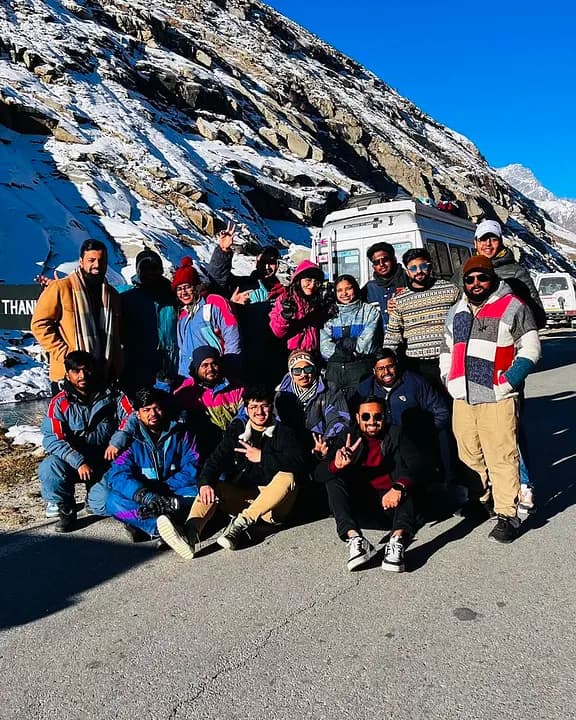
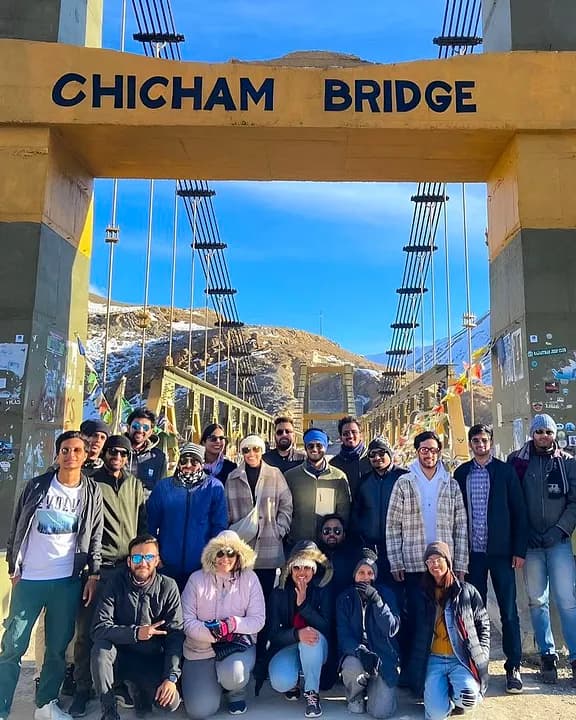
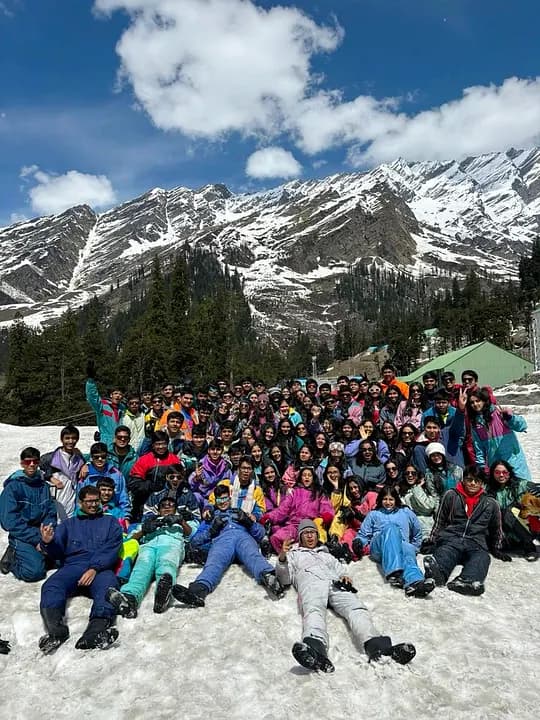
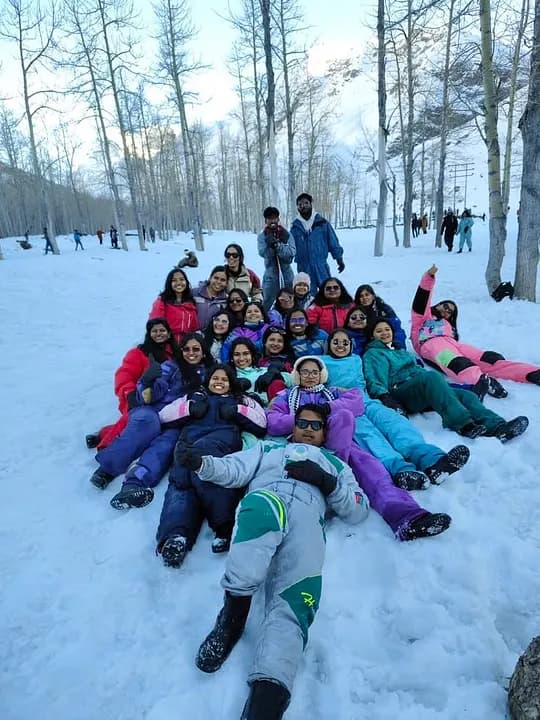
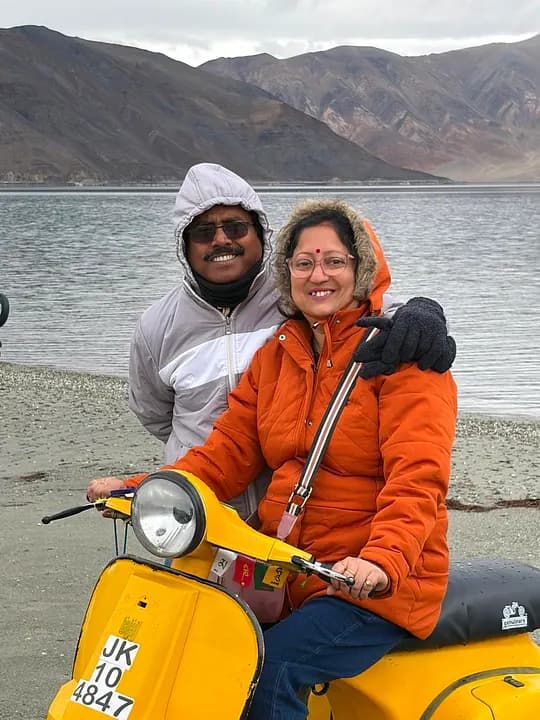
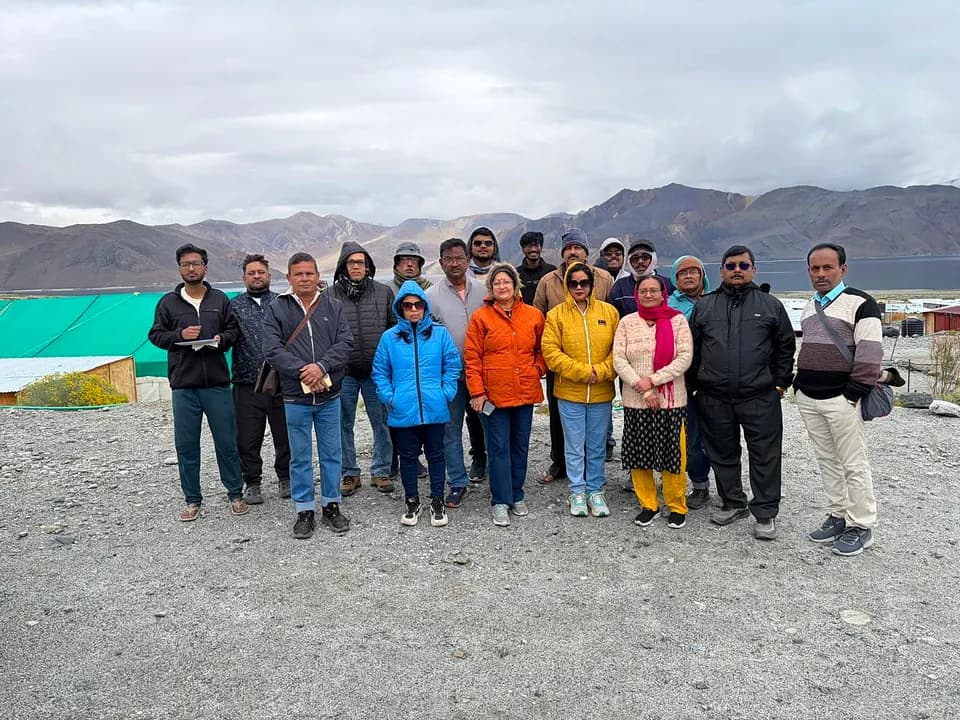
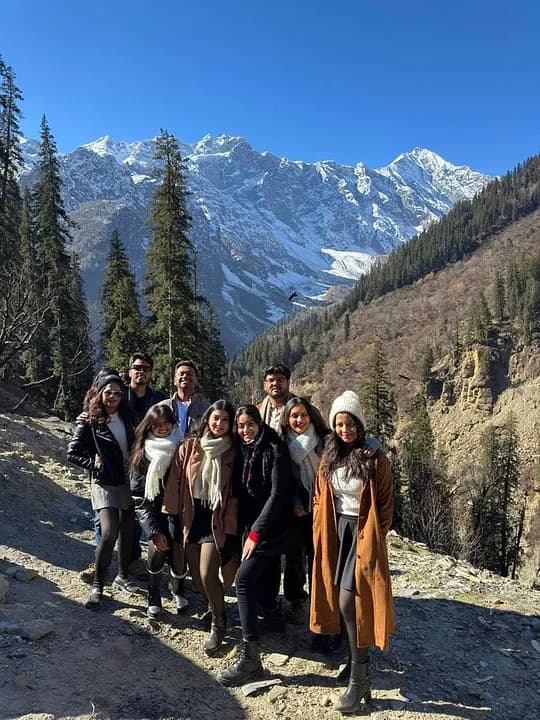
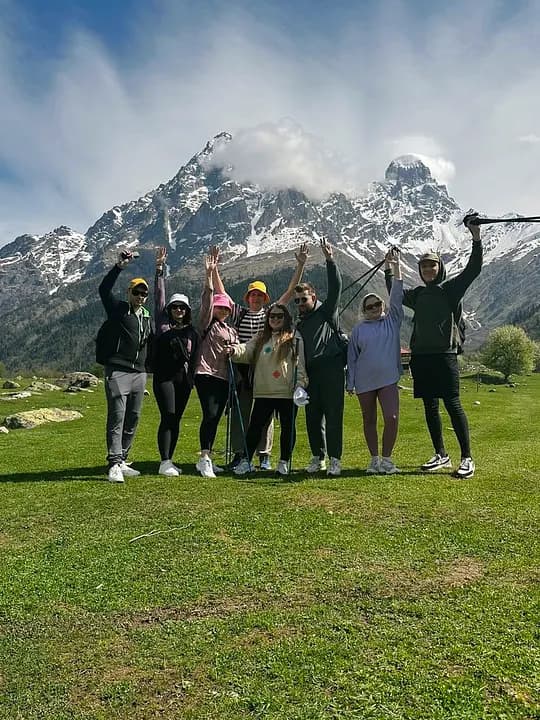
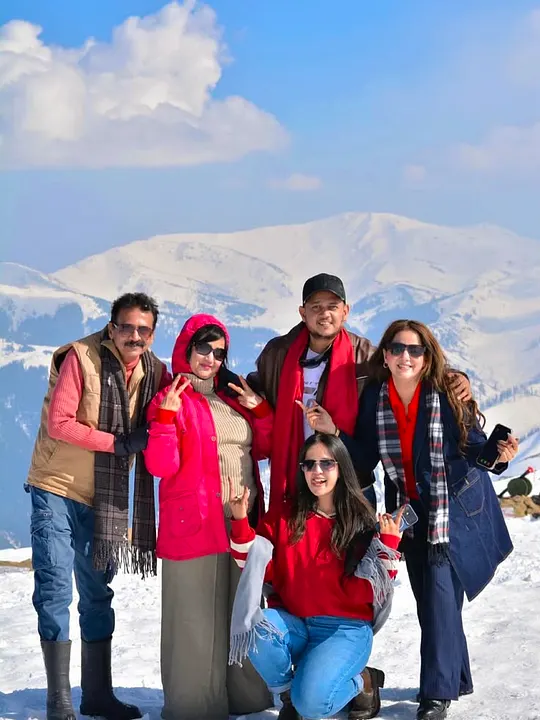
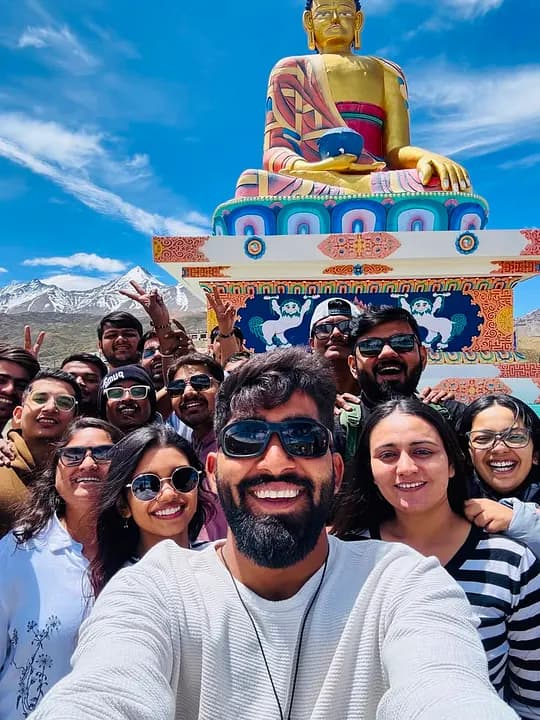
Photographs travellers sent back from their trips. Real families, real places — not a stock photo among them.