Ladakh
Leh
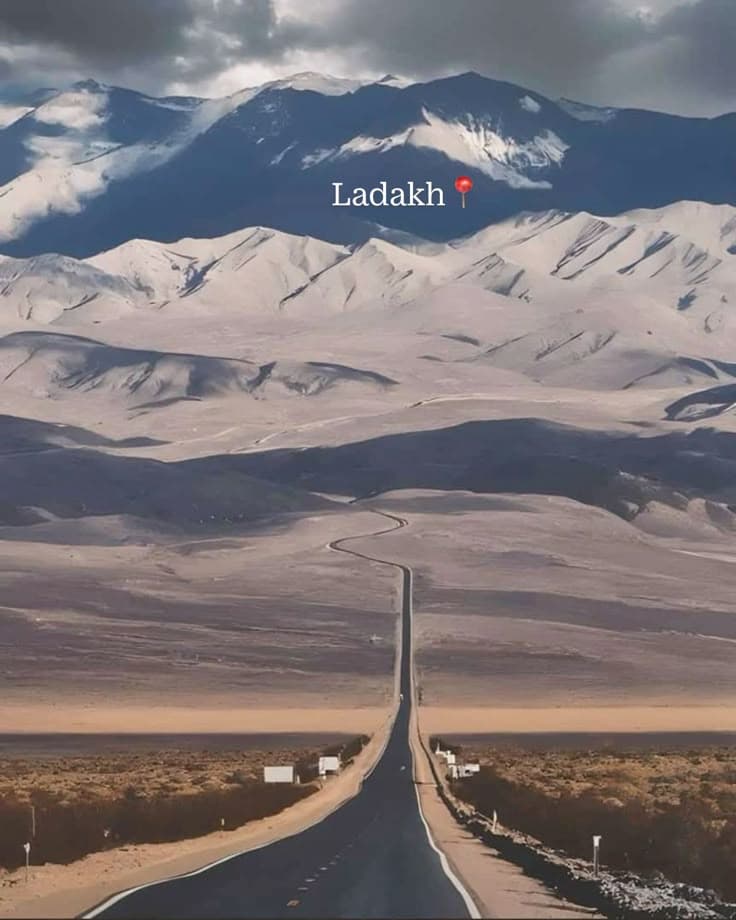
Leh sits at about 3,500 metres and is the base for all of Ladakh. Two full days of rest on arrival are not optional if you fly in, because everything else in the region is higher. Most itineraries run seven to nine days from Leh, taking in Nubra, Pangong and the Indus valley monasteries.
- Altitude
- About 3,500 m
- Best time
- May to September
- Acclimatisation
- Two full days before going higher
- Days needed
- 7 to 9 from Leh
- Nearest airport
- Leh, direct flights from Delhi
The first two days
Fly in and do almost nothing. Leh market, Shanti Stupa in the late afternoon, Leh palace. The reason is arithmetic rather than caution: Khardung La is about 5,300 m and Pangong about 4,350 m, and going there on day two with a headache already forming is how trips get cut short.
The Indus valley monasteries
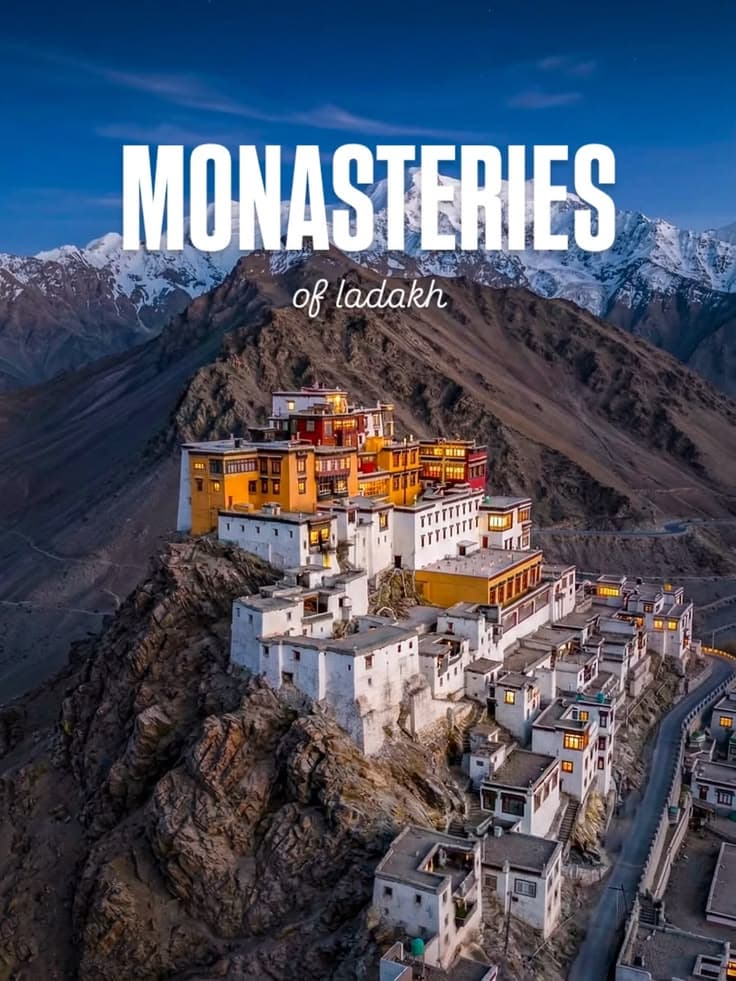
Thiksey, Hemis, Shey and Alchi run along the Indus within a day of Leh. Thiksey at dawn for the prayer ceremony is the one most people remember. Alchi is further west and is the oldest of them, with wall paintings rather than the whitewashed hill silhouettes.
Beyond Leh
North over Khardung La to Nubra and the Hunder dunes; east to Pangong Tso; south-east to Tso Moriri on longer trips. Zanskar is a separate expedition rather than a side trip.
Questions people ask
How many days do you need in Ladakh?
Seven to nine days from Leh. That allows two days acclimatising, two for Nubra, one or two for Pangong and two for the Indus valley monasteries. Shorter trips exist but compress the acclimatisation, which is the part that should not be compressed.
Is it better to fly to Leh or drive?
Driving up from Manali or Srinagar acclimatises you gradually and is far easier on the body, but costs two extra days. Flying is quick and needs those two days back as rest in Leh. Many itineraries fly in and drive out.
When is Ladakh open?
Leh is reachable by air year-round. The road passes from Manali and Srinagar are generally open from around late May to October, which is when most overland itineraries run.
Bookable now
Tours that go there
Every one of these is run by our own team, with the drivers and the permits arranged.
Read next
- Nubra Valley travel guideNubra is reached from Leh over Khardung La at about 5,300 metres and sits lower than Leh, around 3,050 metres, which makes it a comfortable night. Hunder has cold desert dunes and double-humped camels; Diskit has the monastery and the standing Maitreya. Two days is standard.
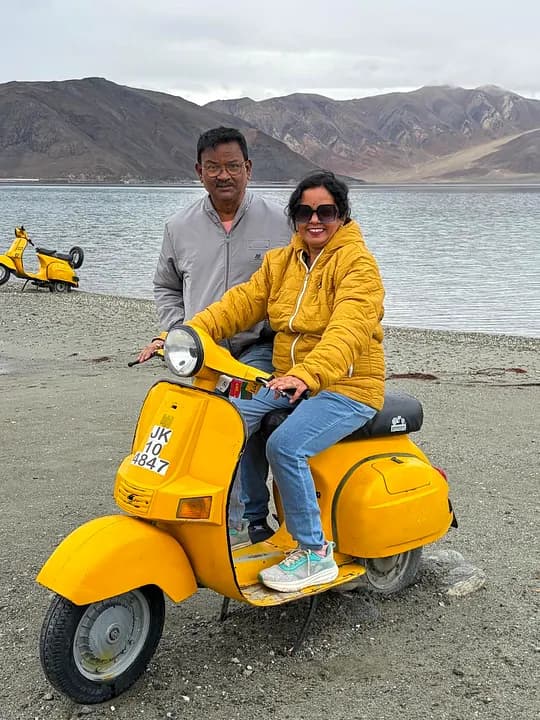
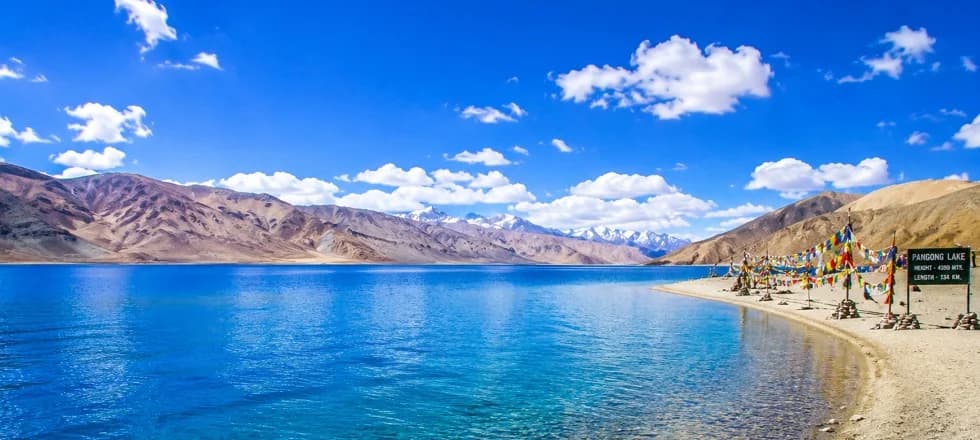
- Pangong Tso travel guidePangong Tso is a 134 km saline lake at about 4,350 metres, of which roughly a third lies in India and the rest in Tibet. It is four to five hours from Leh via Chang La. Staying one night at Spangmik is what makes the trip worthwhile, because the colour changes through the day.
- Altitude sickness in Ladakh and SpitiAltitude sickness typically begins above 2,500 metres and is common in Leh at 3,500 metres, particularly for travellers who fly in. Headache, nausea and breathlessness at rest are the warning signs. The only reliable treatment is descent, which is why itineraries are built to ascend gradually.
- Best time to visit Leh LadakhMay to September is the Ladakh season. The Manali and Srinagar road passes open from around late May and close by October, while flights to Leh run year-round. June to August gives the most reliable access to Nubra, Pangong and Tso Moriri.
Plan your trip
Tell us where you want to go
Leave your name, number and email. One of our travel experts calls you back with a written itinerary and a real price, usually the same day.
- 1Choose your destinationPick a route that matches how long you have and what you want out of it.
- 2Book and pay securelyConfirm the itinerary and pay online through a secure gateway.
- 3Pack and start exploringYour transfers, stays and sightseeing are arranged before you land.
Get a free quote
Three details, nothing more.
Do not take our word for it
Reviews from our travellers
Filmed on their trips, by the families who took them. Nothing here is scripted.
On the road with us
Happy customers
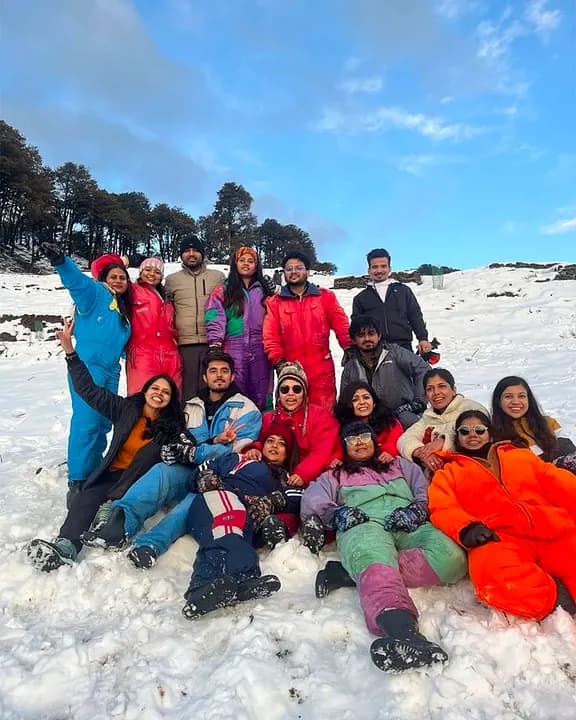
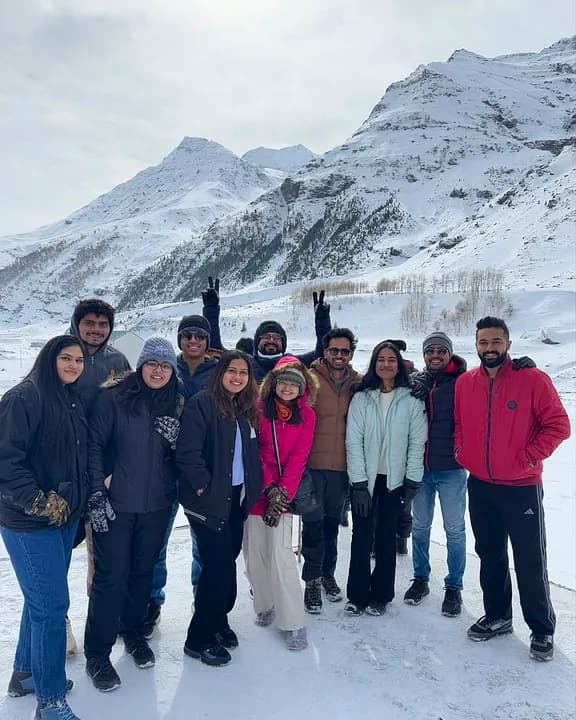
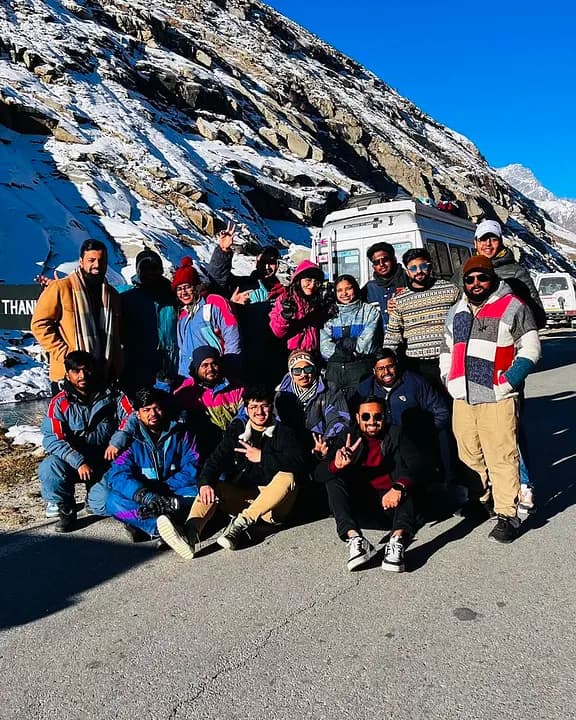
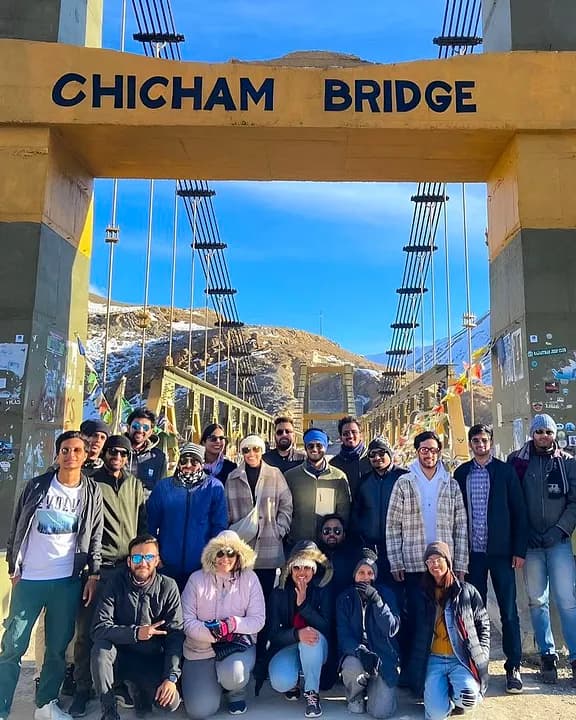
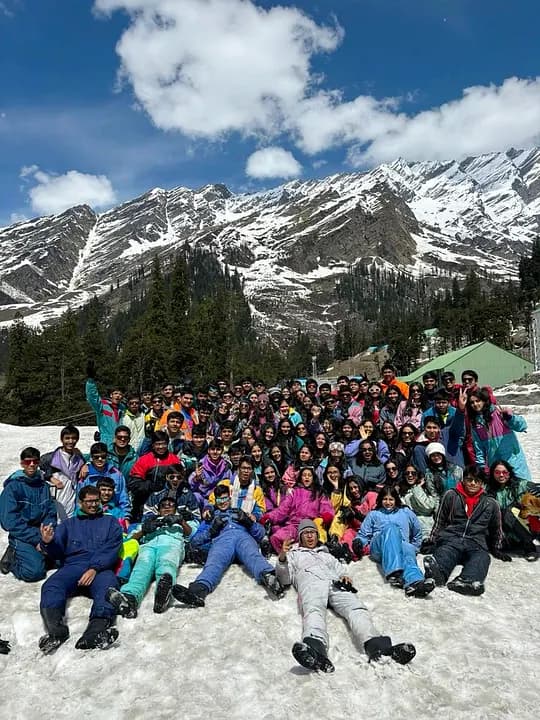
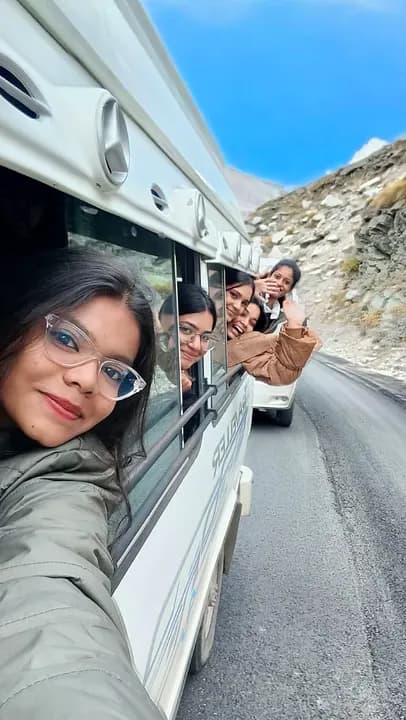
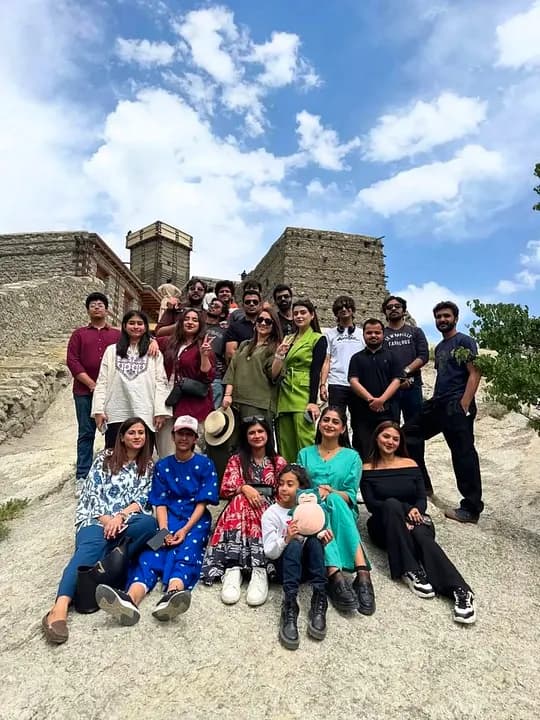
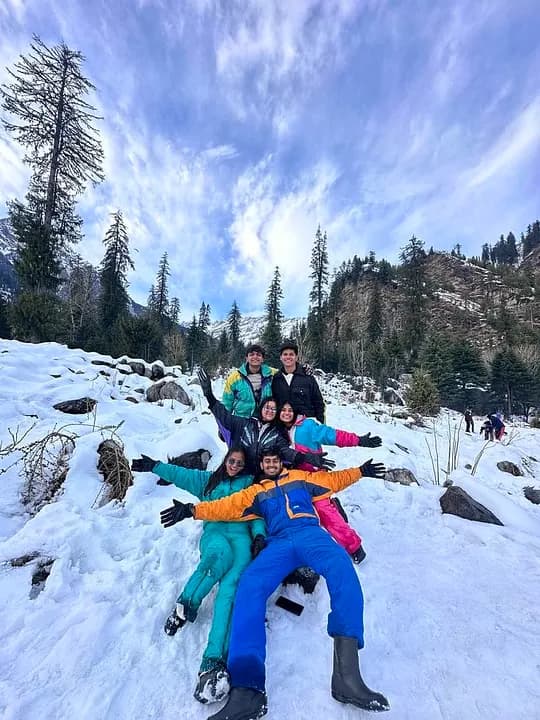
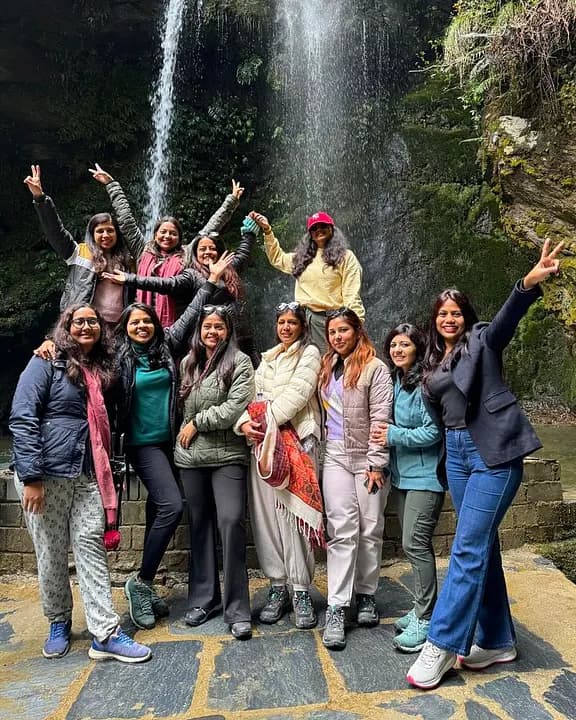
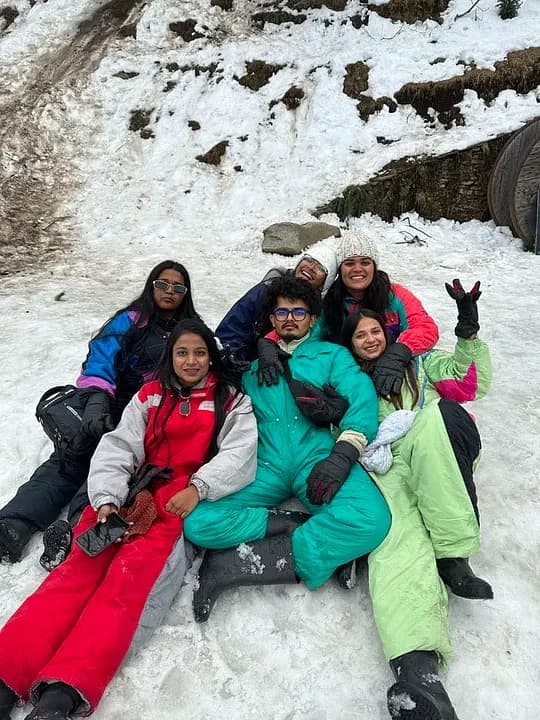
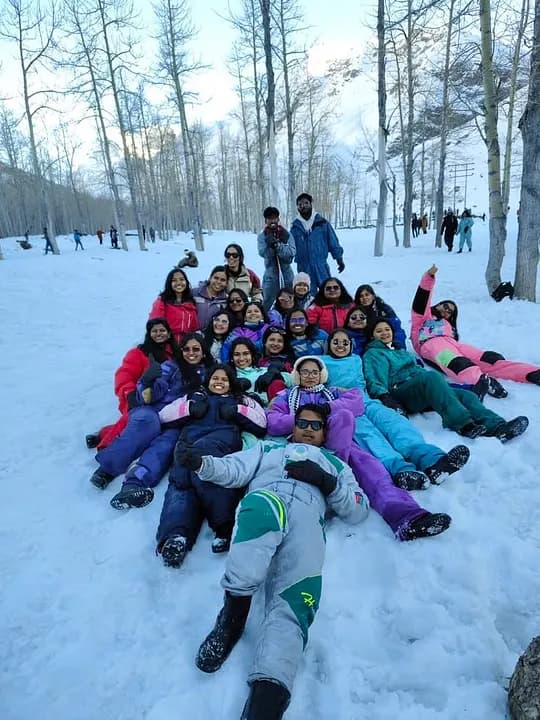
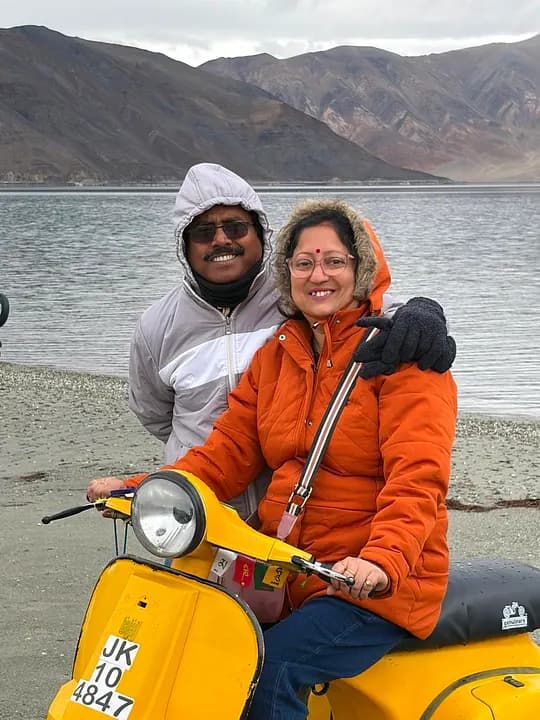
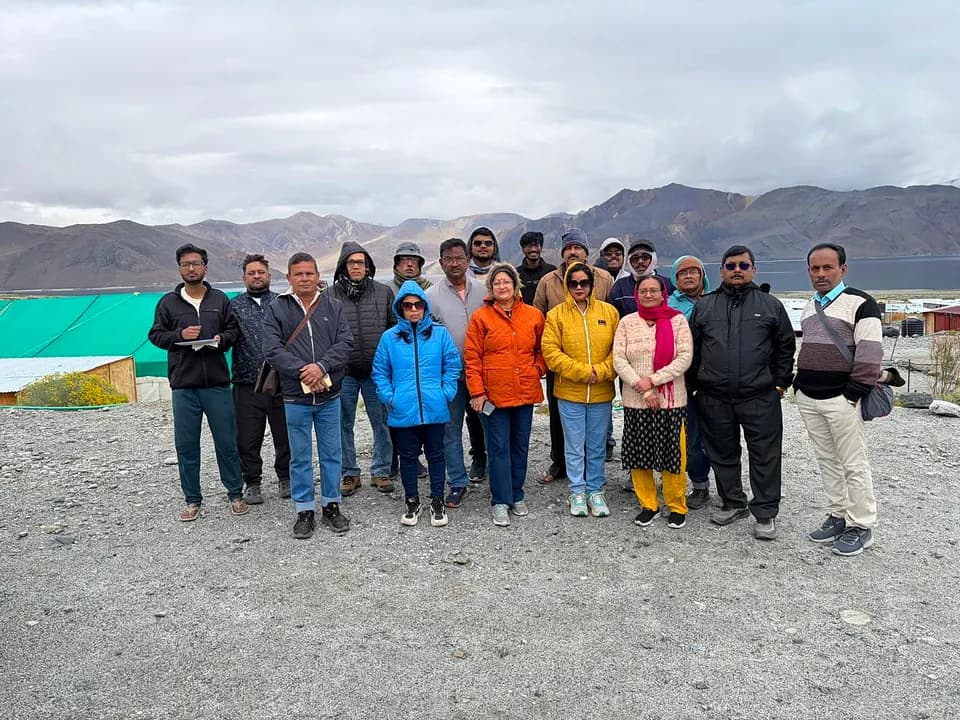
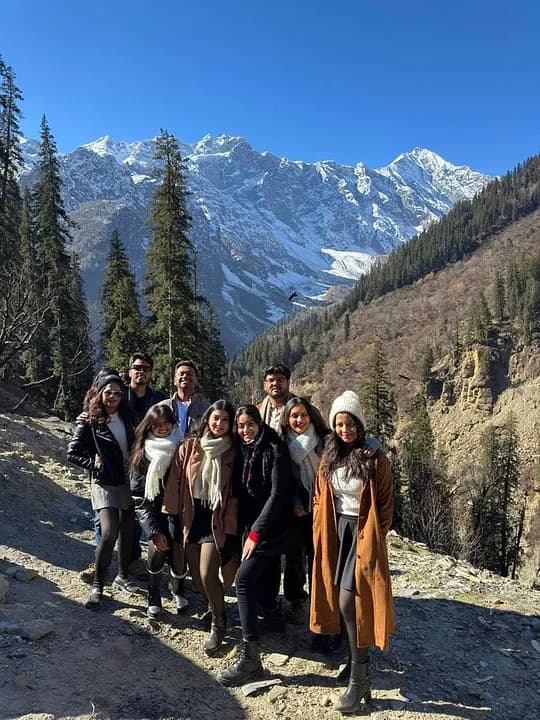
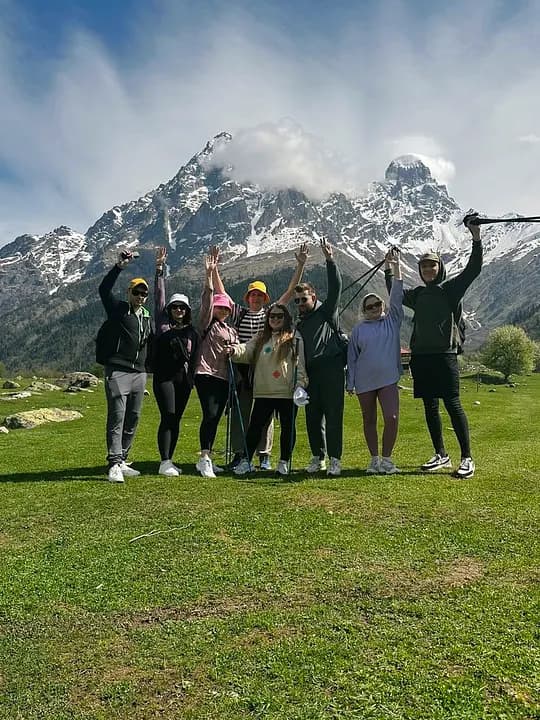
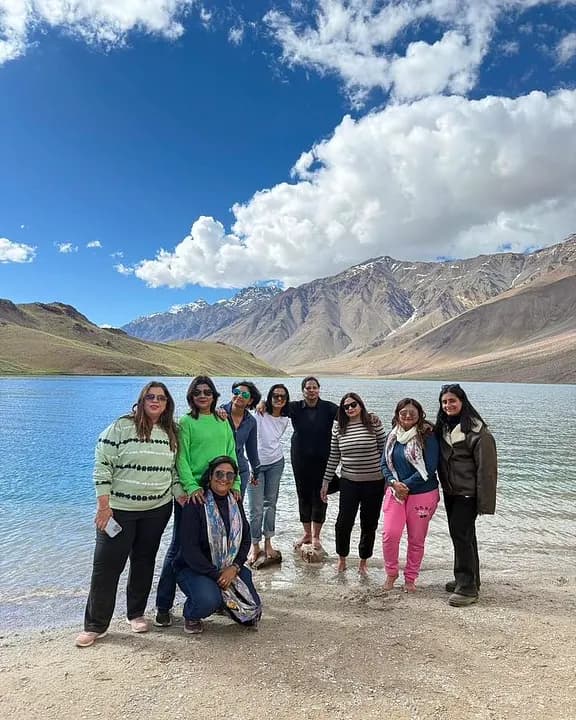
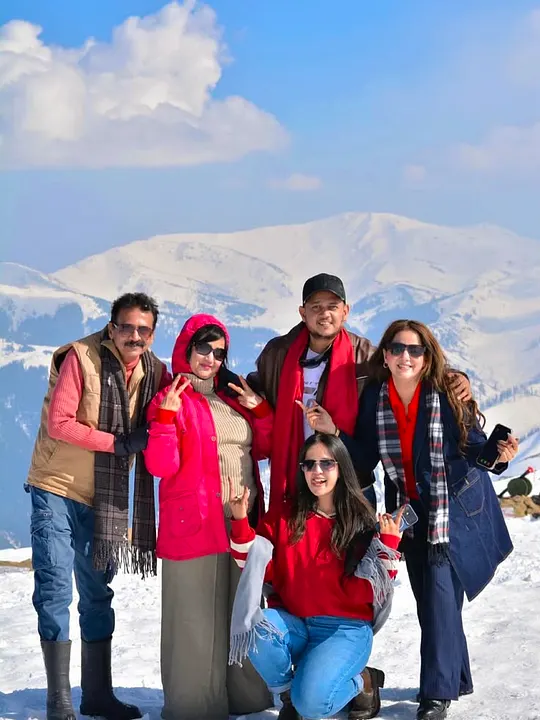
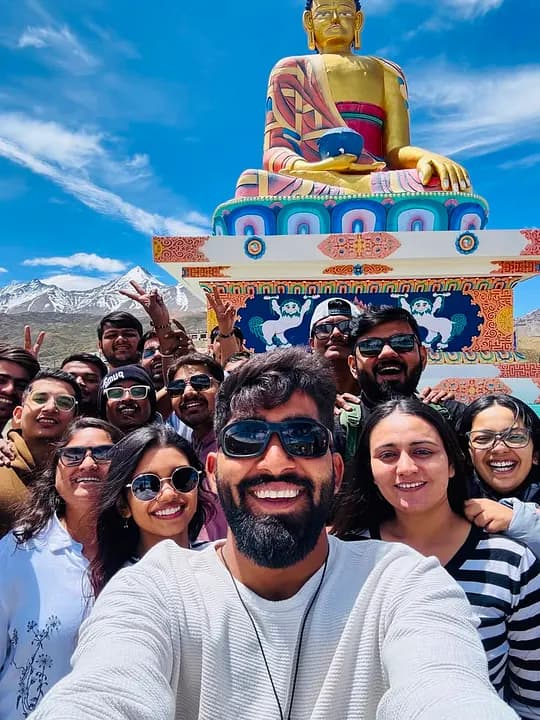
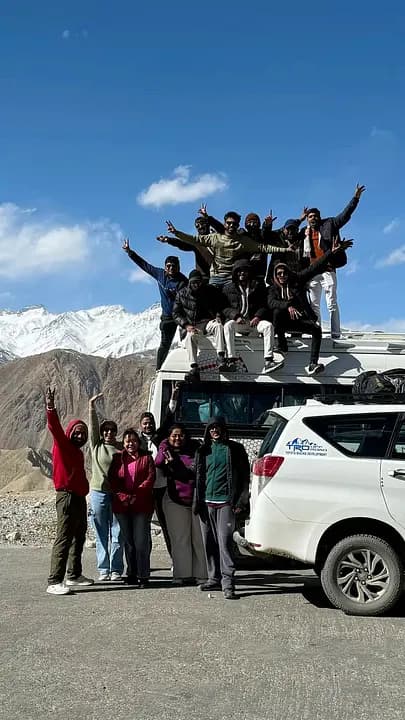
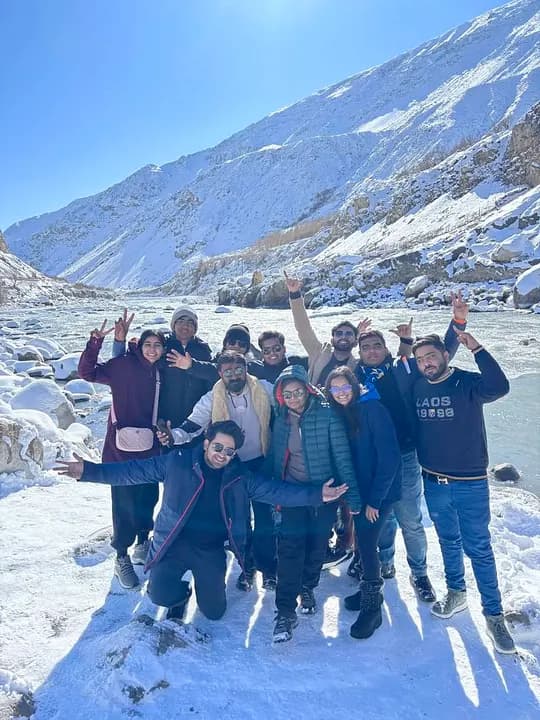
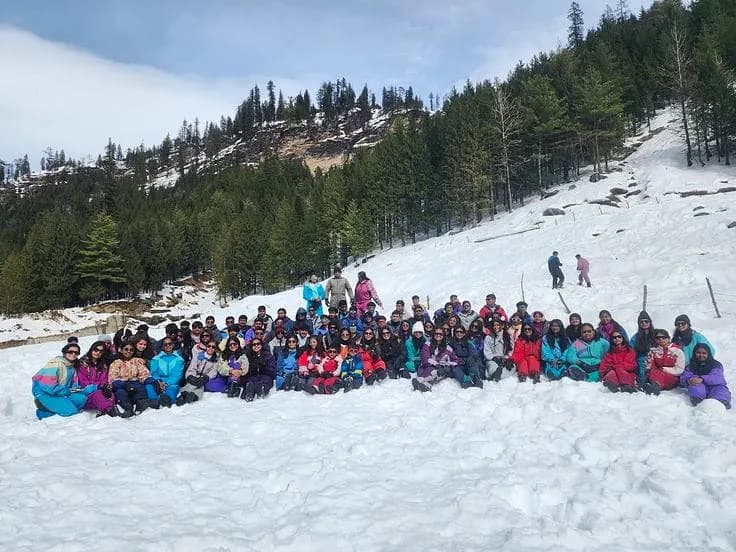
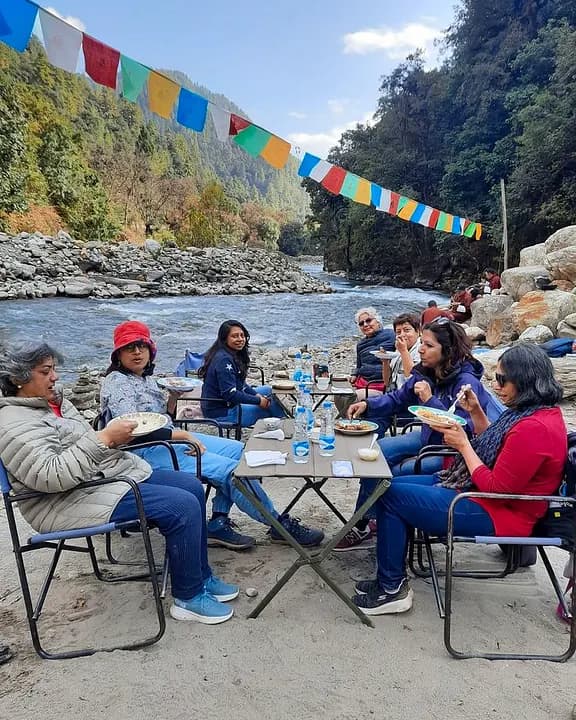
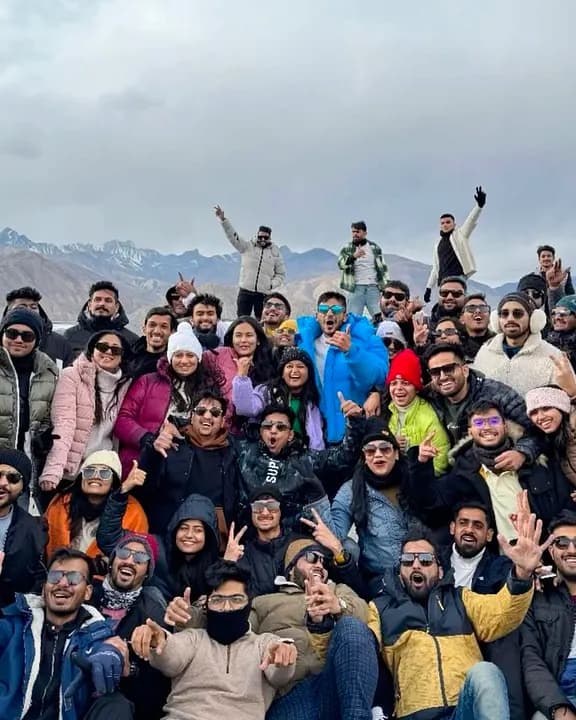
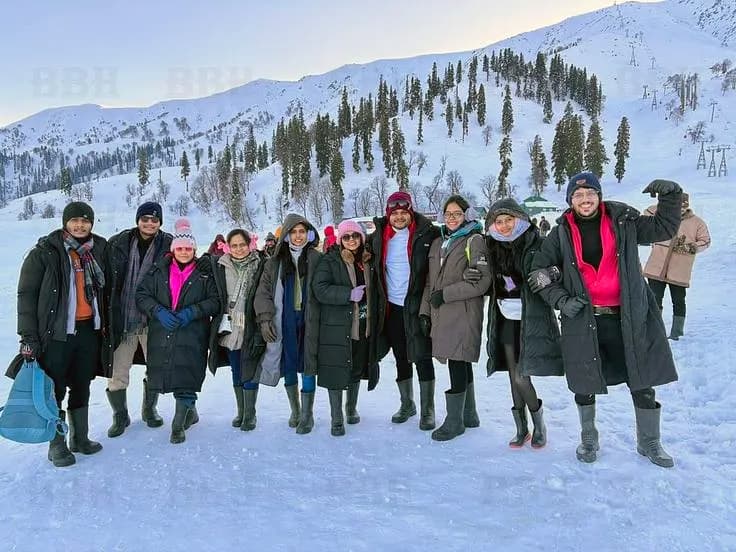
Photographs travellers sent back from their trips. Real families, real places — not a stock photo among them.