Who it suits
Photography trips
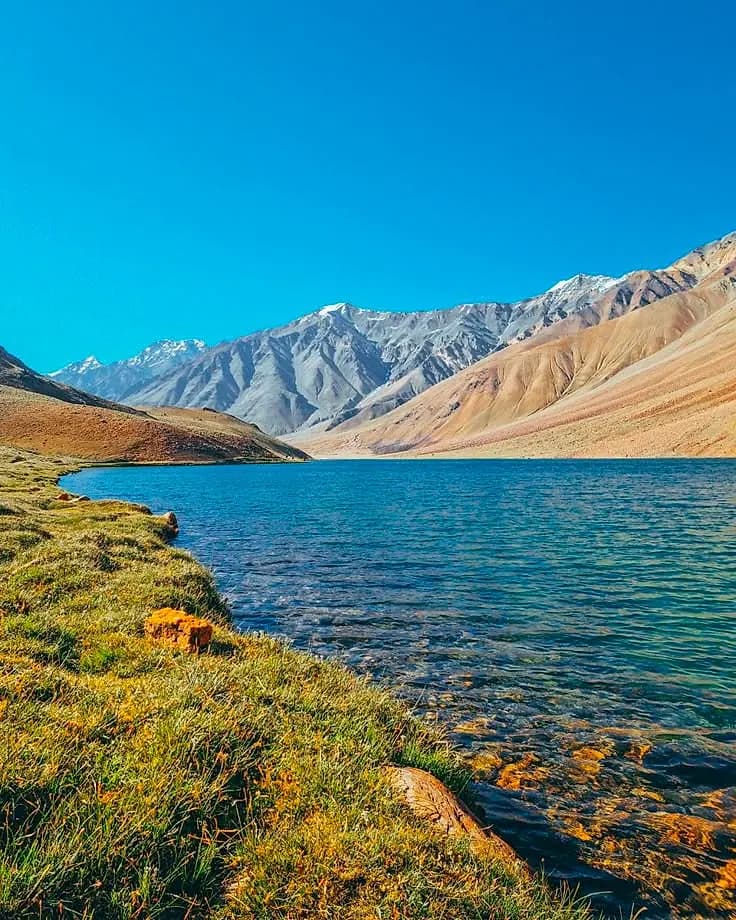
Spiti and Ladakh give the strongest Himalayan landscape photography, with clear high-altitude light and almost no haze from May to September. Kashmir in late October gives chinar colour, and Himachal in January gives snow. All of it depends on being in place at dawn rather than on equipment.
- Best landscape
- Spiti and Ladakh, May to September
- Autumn colour
- Kashmir, late October to November
- Snow
- Himachal, January and February
- Key constraint
- Dawn access, not gear
Why the itinerary matters more than the camera
The good light at Pangong, Chandratal and Kalpa lasts about forty minutes and happens before most tour groups have finished breakfast. A photography trip is really a trip whose driving schedule is built backwards from sunrise, which is a scheduling decision rather than a technical one.
Questions people ask
Where is the best photography in the Indian Himalayas?
Spiti and Ladakh for high-altitude landscape, Kashmir for autumn colour and water, Himachal for snow. The determining factor is being in position at dawn, which means building the driving day around light rather than distance.
Read next
- Spiti Valley travel guideSpiti is a high cold desert between 3,000 and 4,500 metres, reached either from Shimla through Kinnaur or from Manali over Kunzum La. The Manali road is open roughly June to October; the Kinnaur road stays open most of the year. Eight to ten days does the full circuit properly.
- Pangong Tso travel guidePangong Tso is a 134 km saline lake at about 4,350 metres, of which roughly a third lies in India and the rest in Tibet. It is four to five hours from Leh via Chang La. Staying one night at Spangmik is what makes the trip worthwhile, because the colour changes through the day.
- Best time to visit KashmirApril to October covers Kashmir’s green season, with tulips in April, gardens through summer and clear valleys into autumn. December to February brings snow to Gulmarg and the ski season. Each is a genuinely different trip rather than a better or worse one.
- Leh travel guideLeh sits at about 3,500 metres and is the base for all of Ladakh. Two full days of rest on arrival are not optional if you fly in, because everything else in the region is higher. Most itineraries run seven to nine days from Leh, taking in Nubra, Pangong and the Indus valley monasteries.
Plan your trip
Tell us where you want to go
Leave your name, number and email. One of our travel experts calls you back with a written itinerary and a real price, usually the same day.
- 1Choose your destinationPick a route that matches how long you have and what you want out of it.
- 2Book and pay securelyConfirm the itinerary and pay online through a secure gateway.
- 3Pack and start exploringYour transfers, stays and sightseeing are arranged before you land.
Get a free quote
Three details, nothing more.
Do not take our word for it
Reviews from our travellers
Filmed on their trips, by the families who took them. Nothing here is scripted.
On the road with us
Happy customers
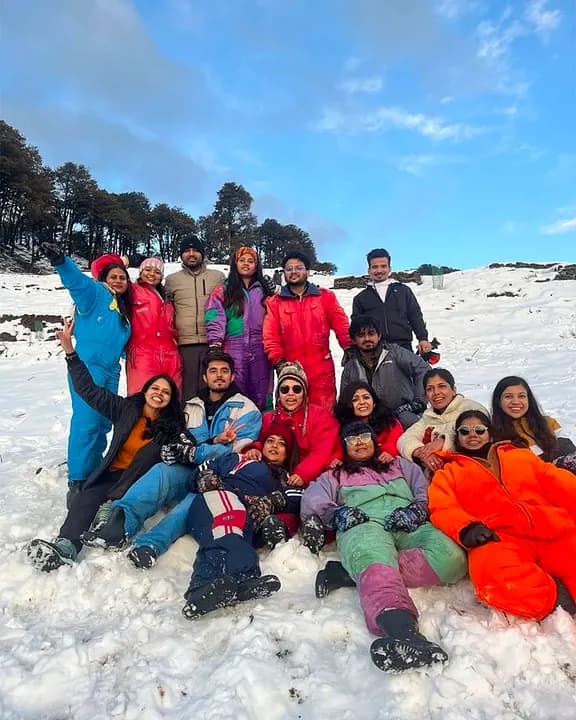
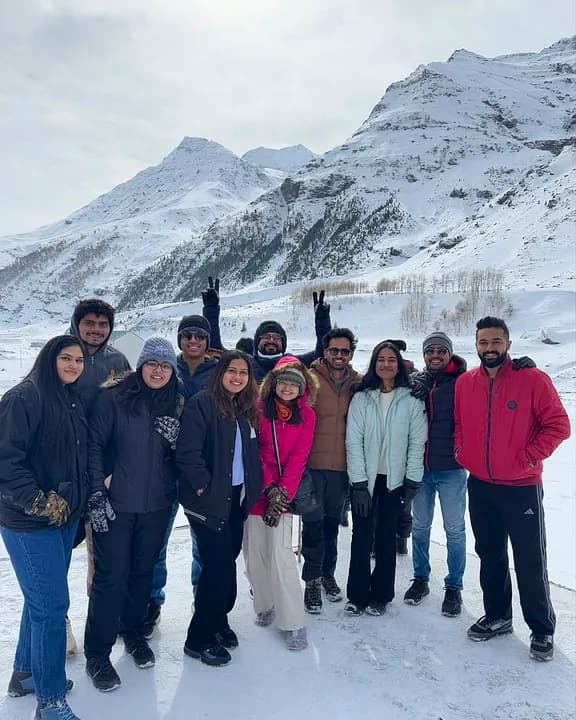
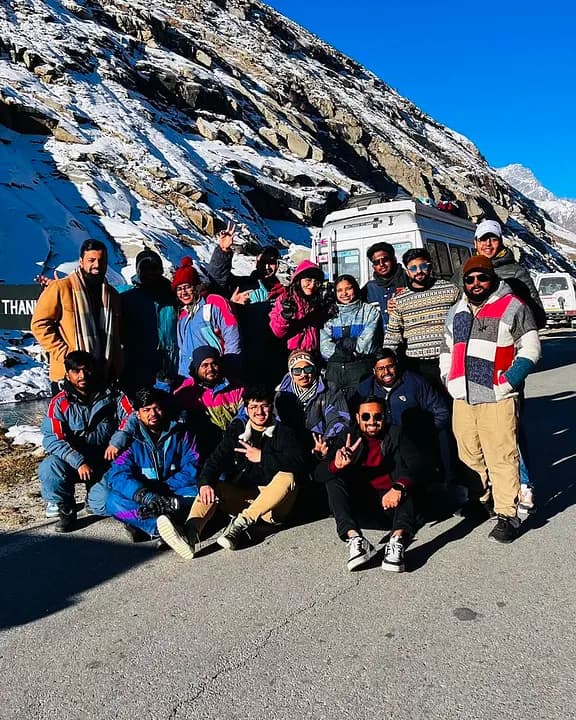
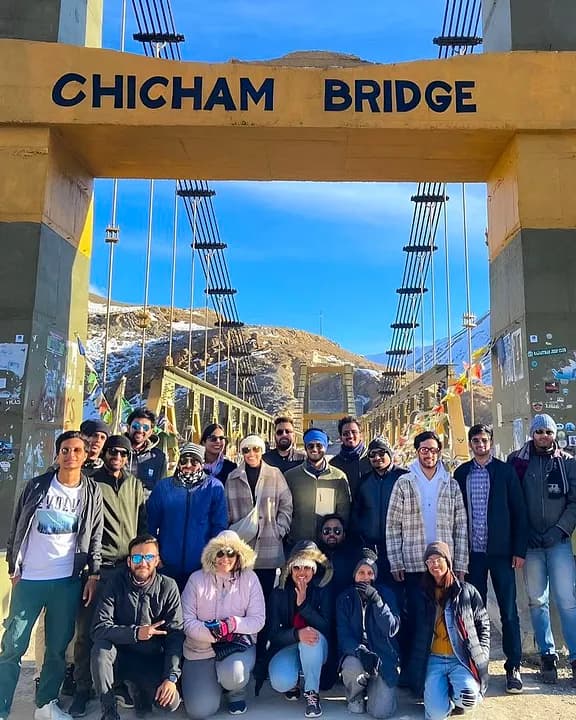
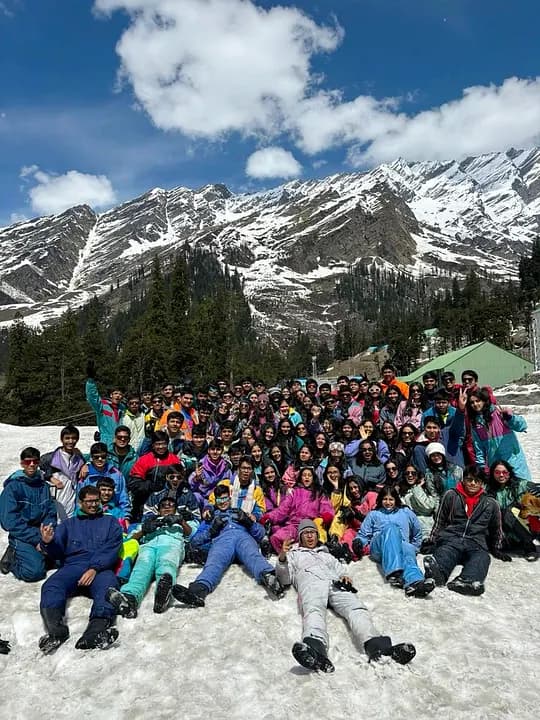
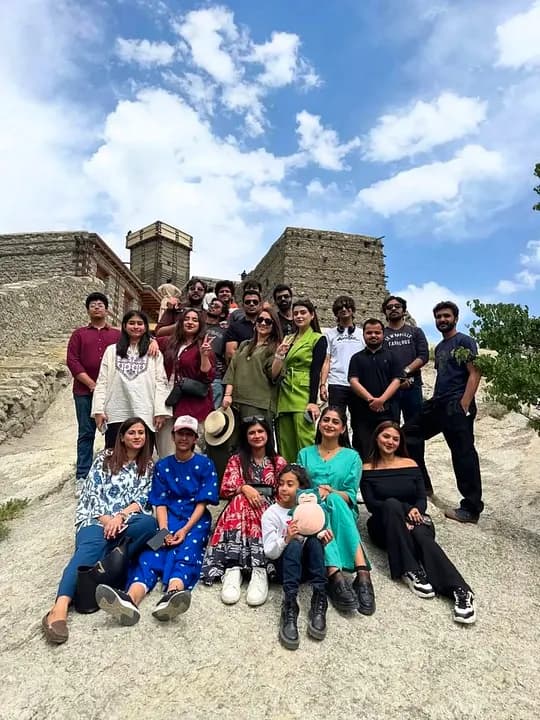
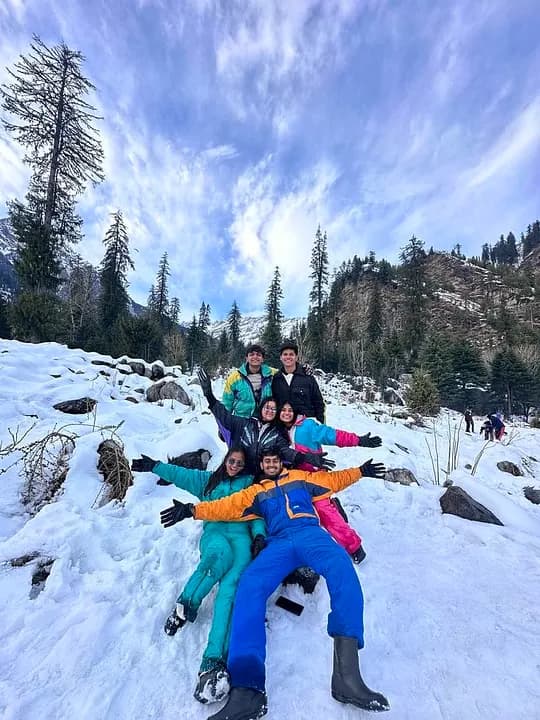
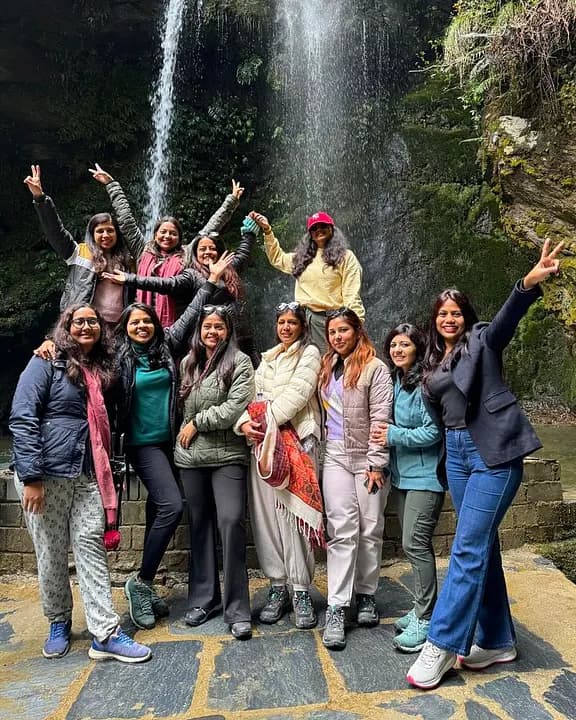
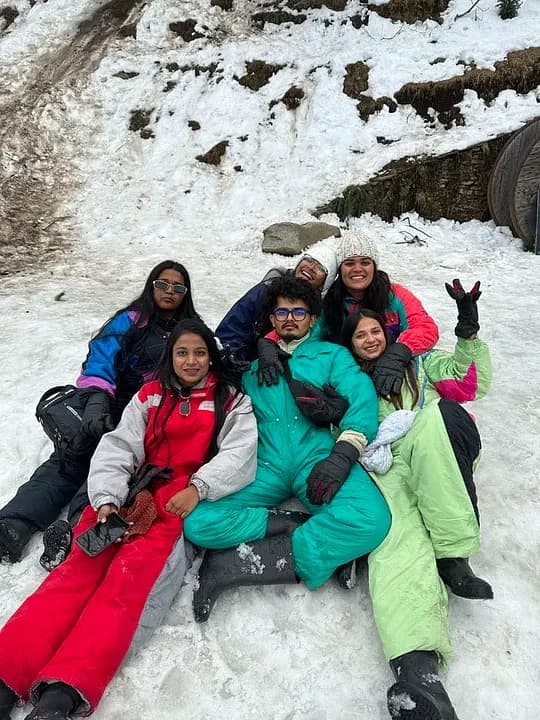
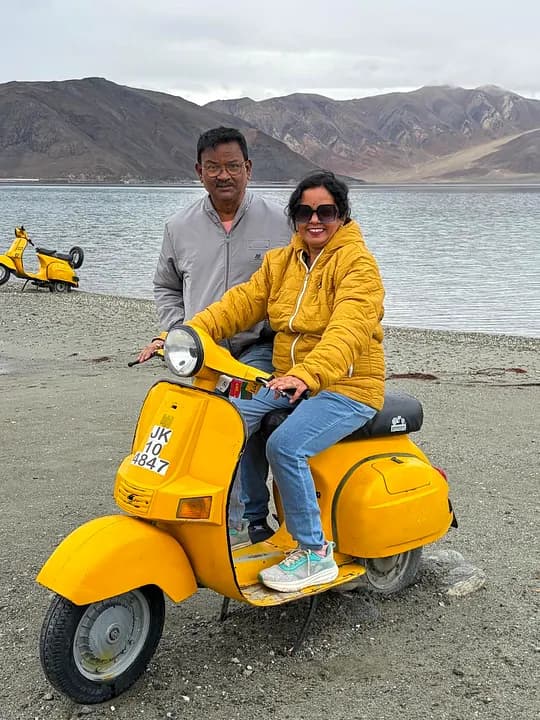
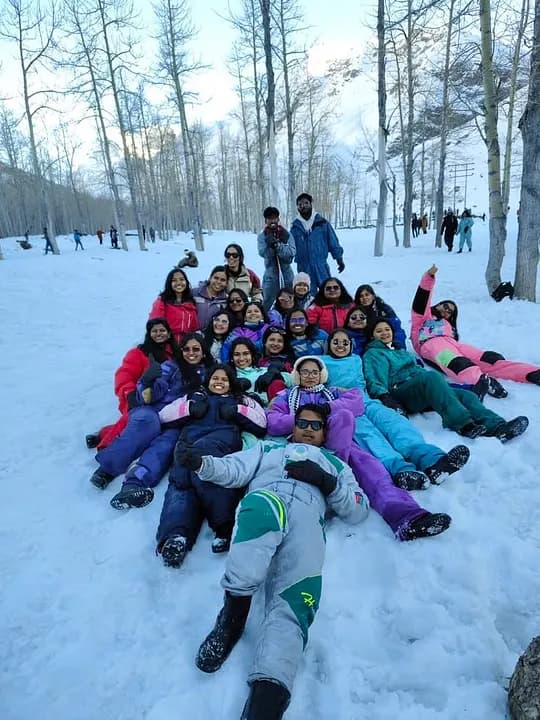
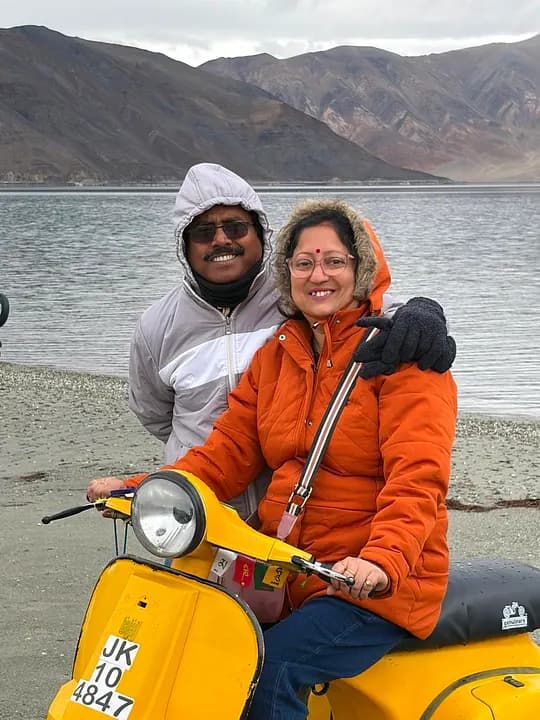
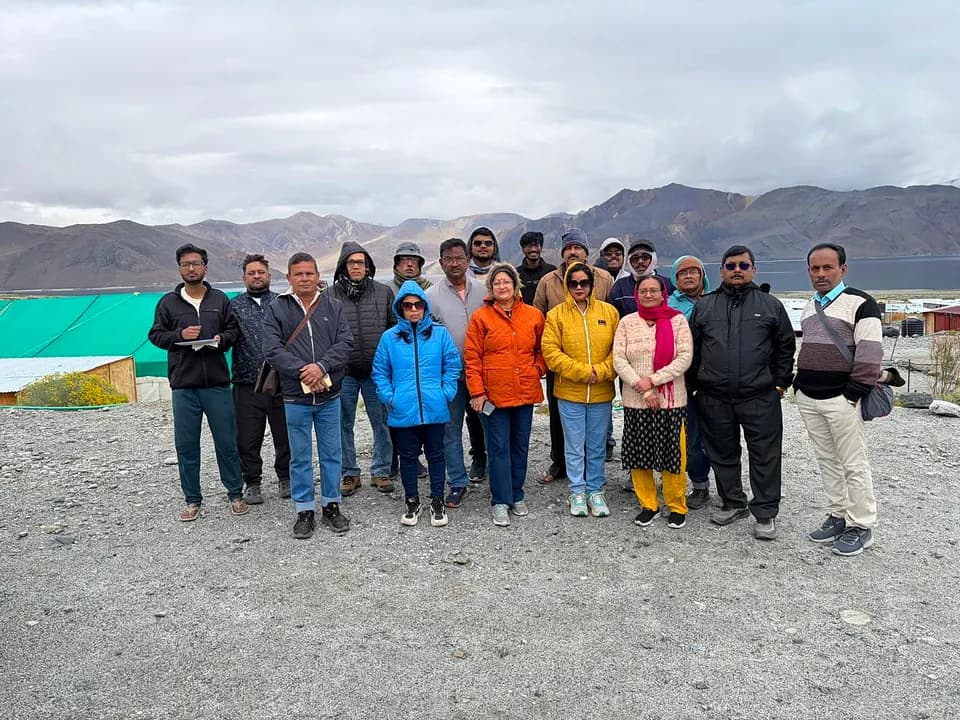
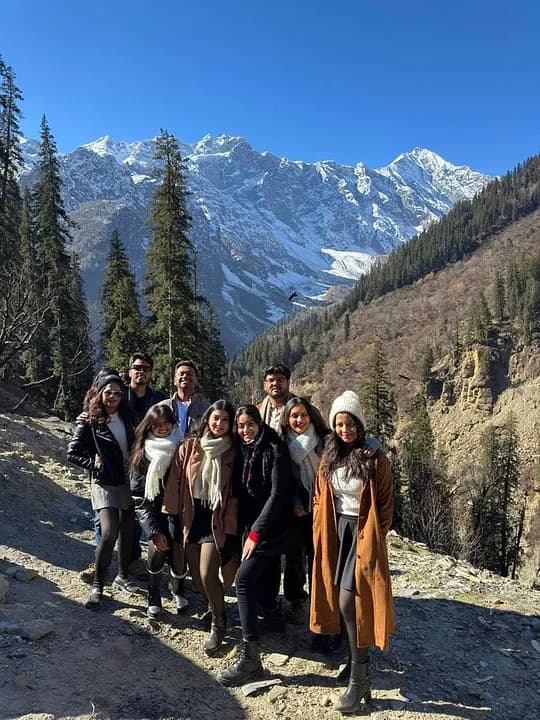
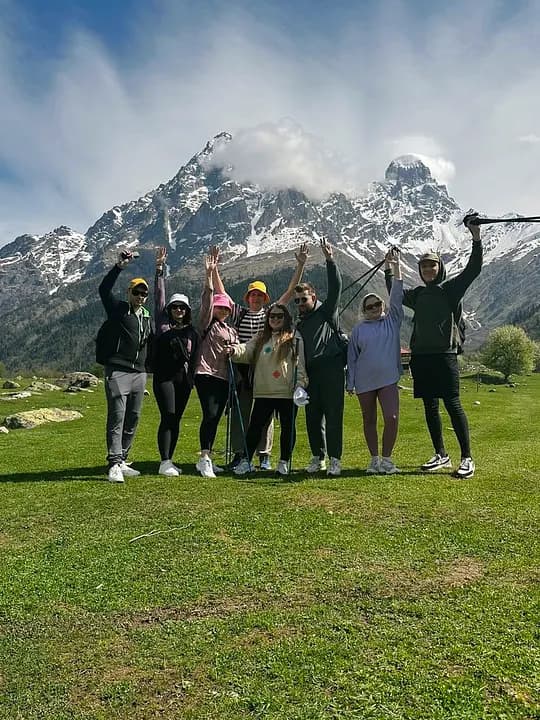
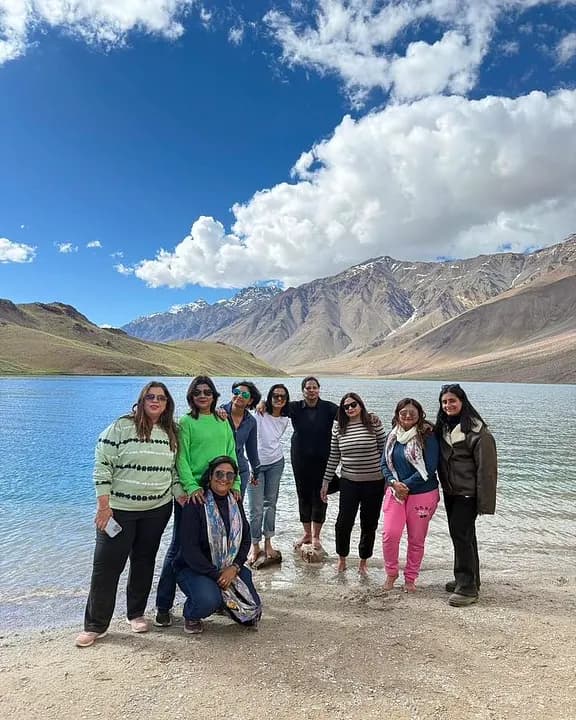
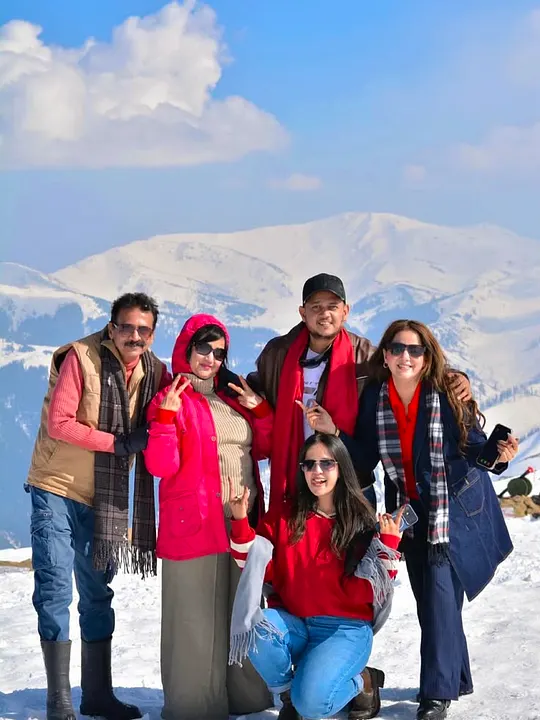
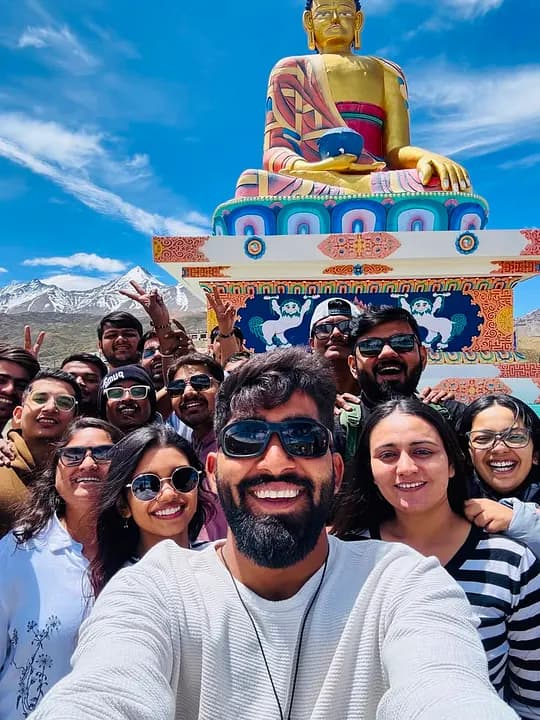
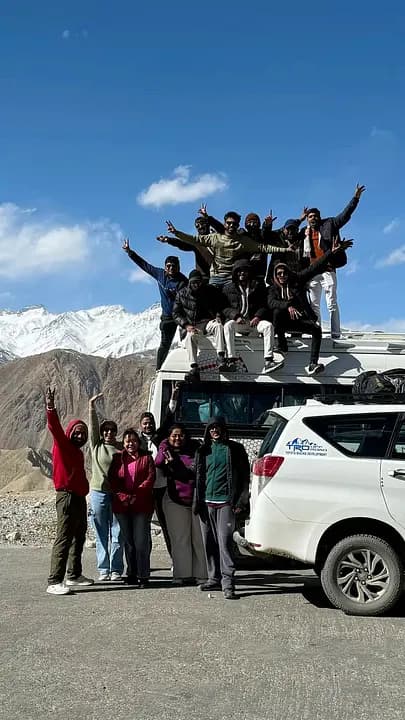
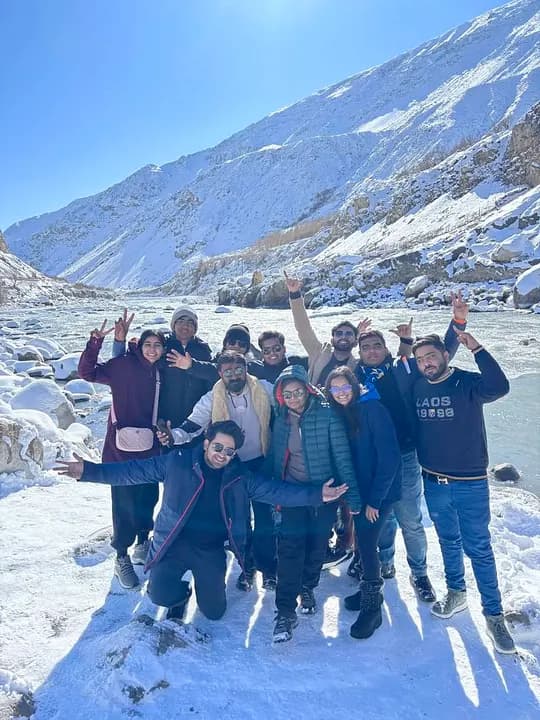
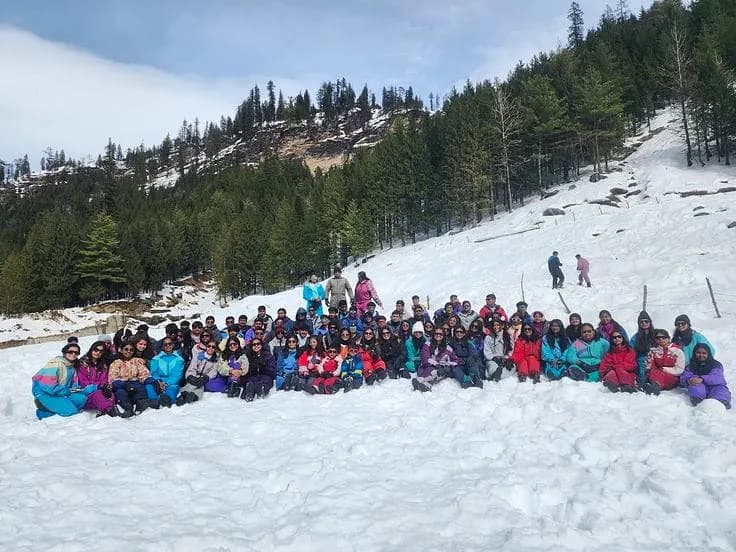
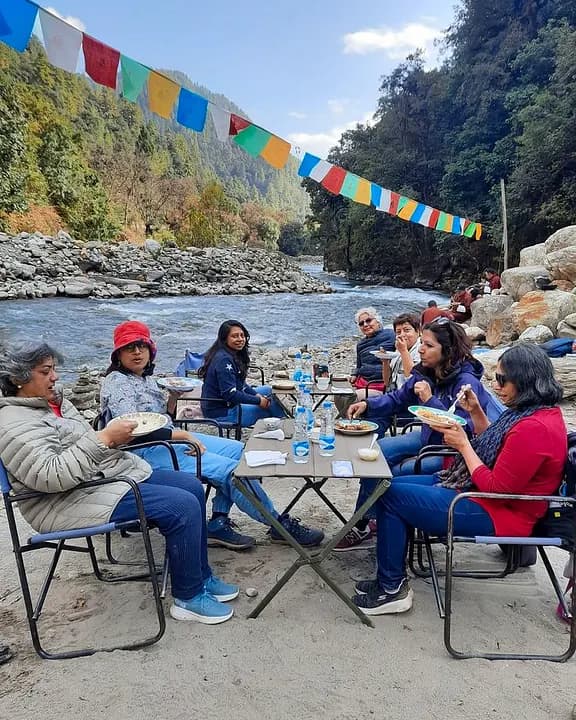
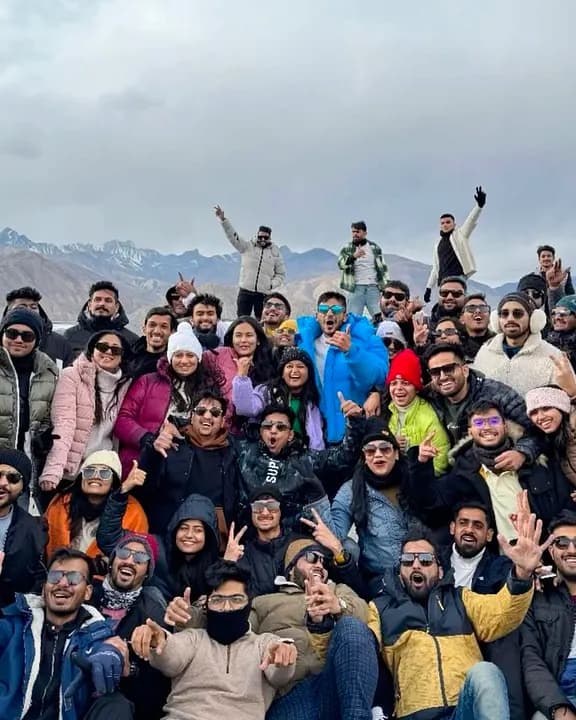
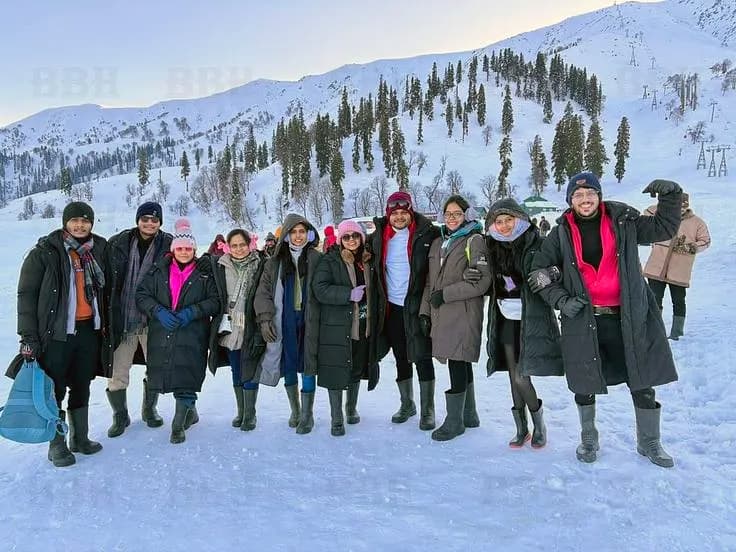
Photographs travellers sent back from their trips. Real families, real places — not a stock photo among them.